
Recap: Workshop on Dependencies, Partnerships & Digital Bridges - Reimagining Cooperation between Europe and the Global South
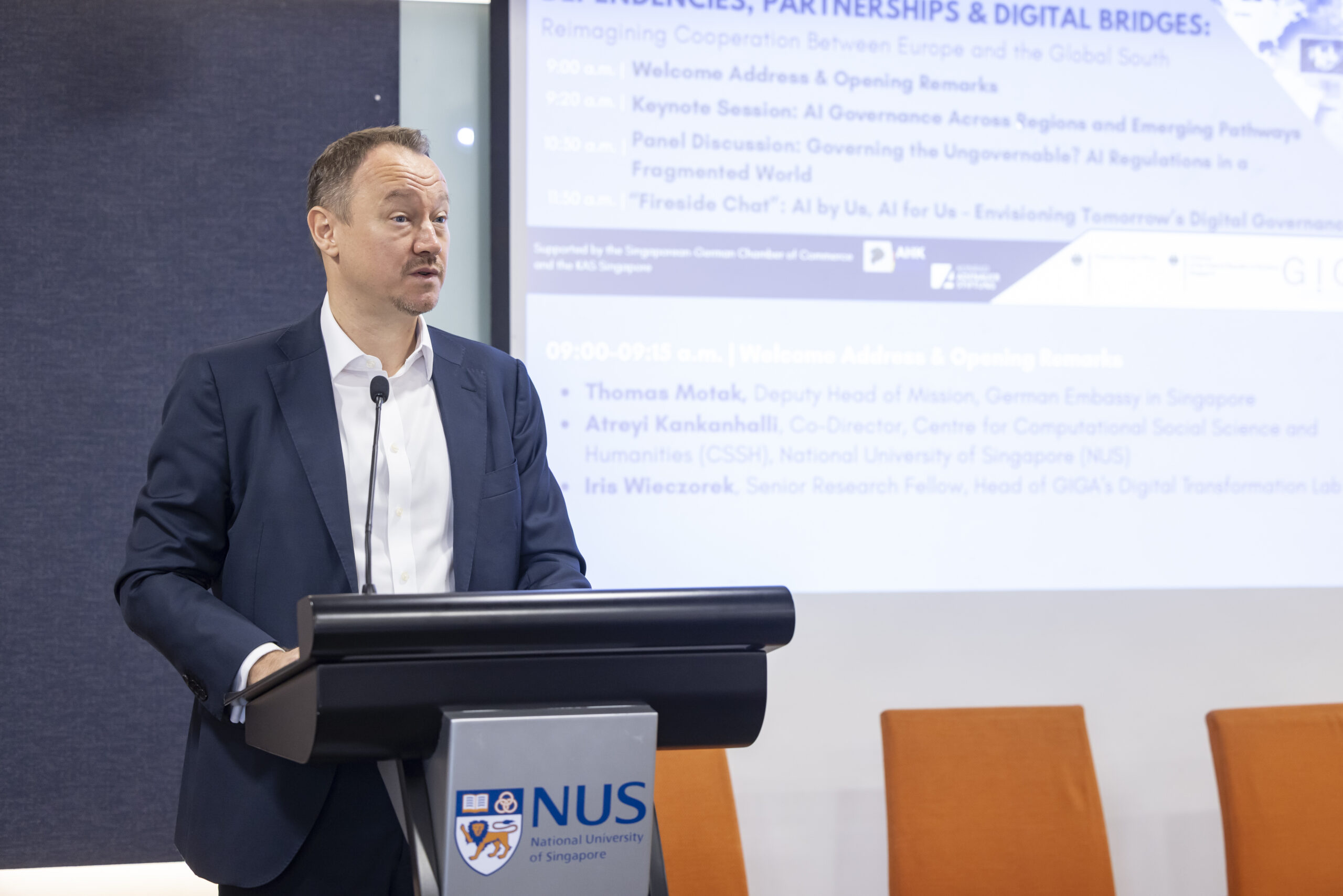
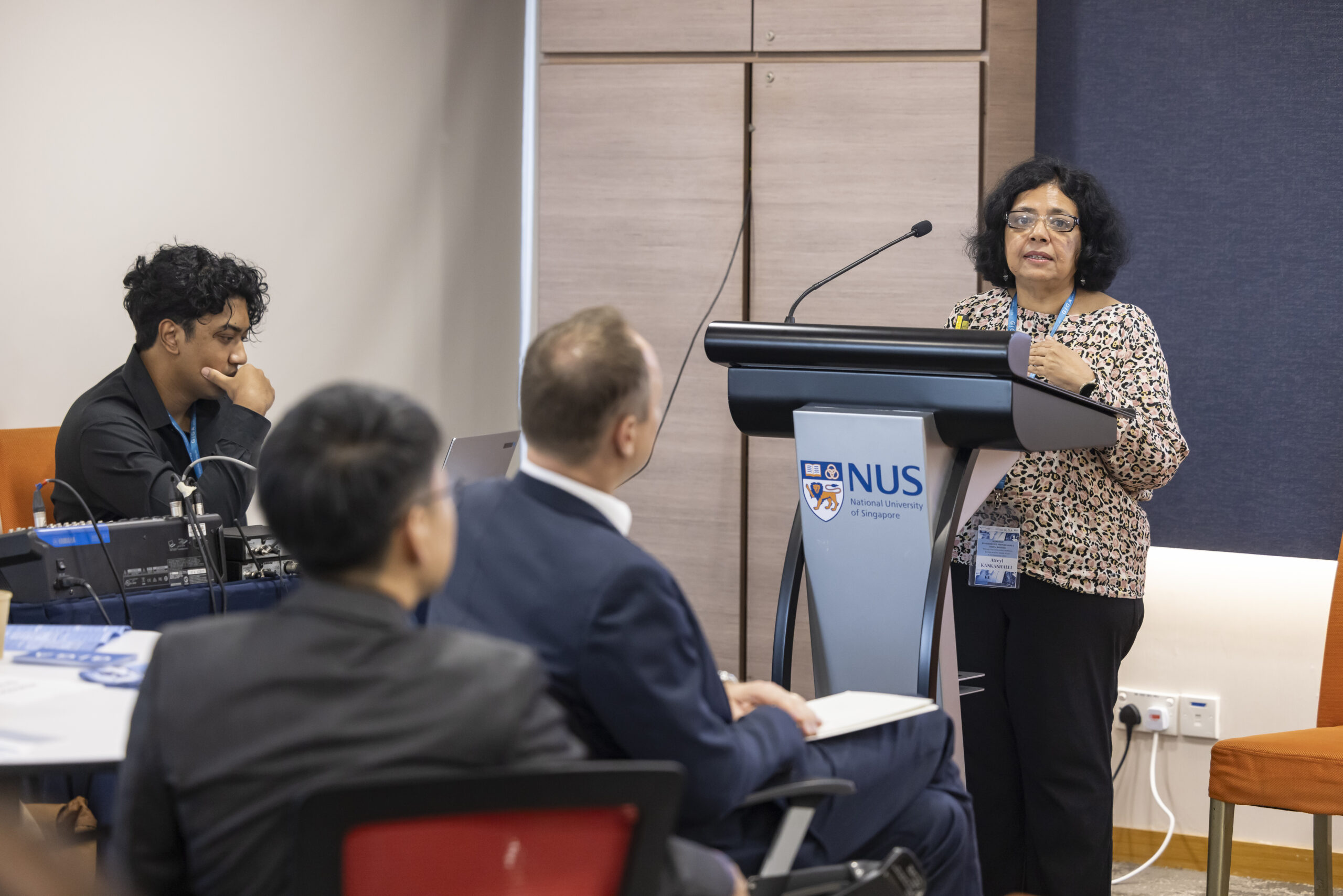
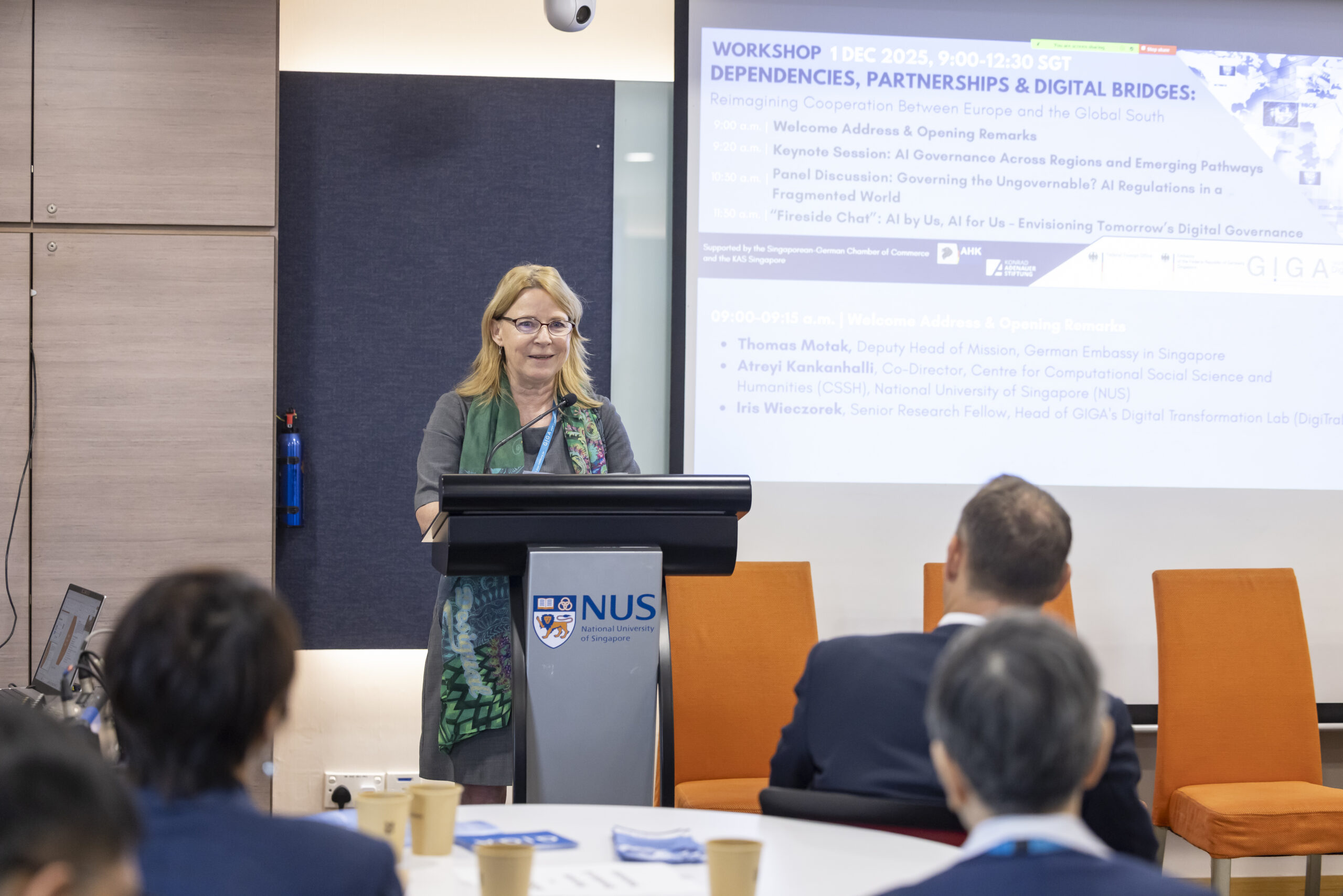

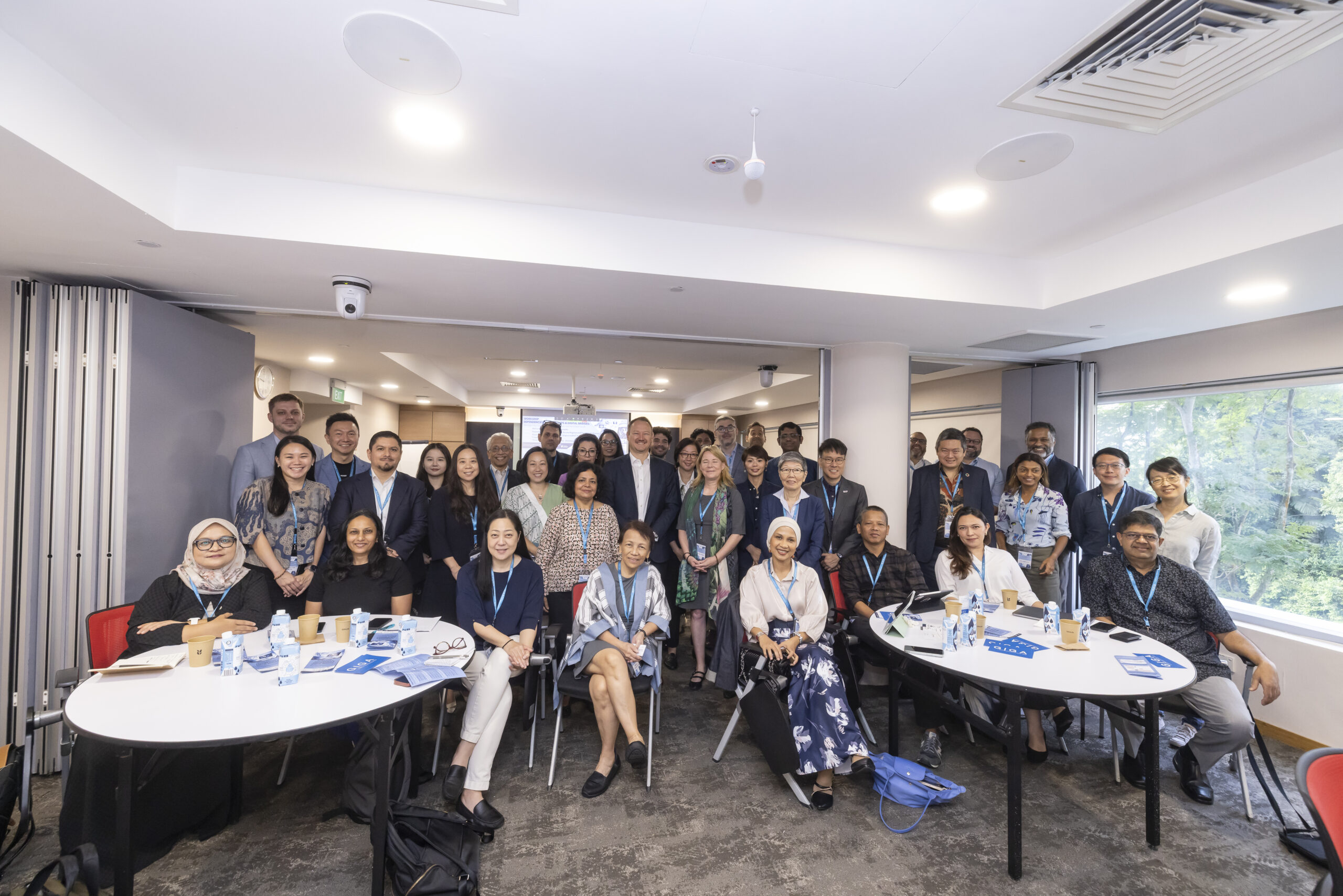
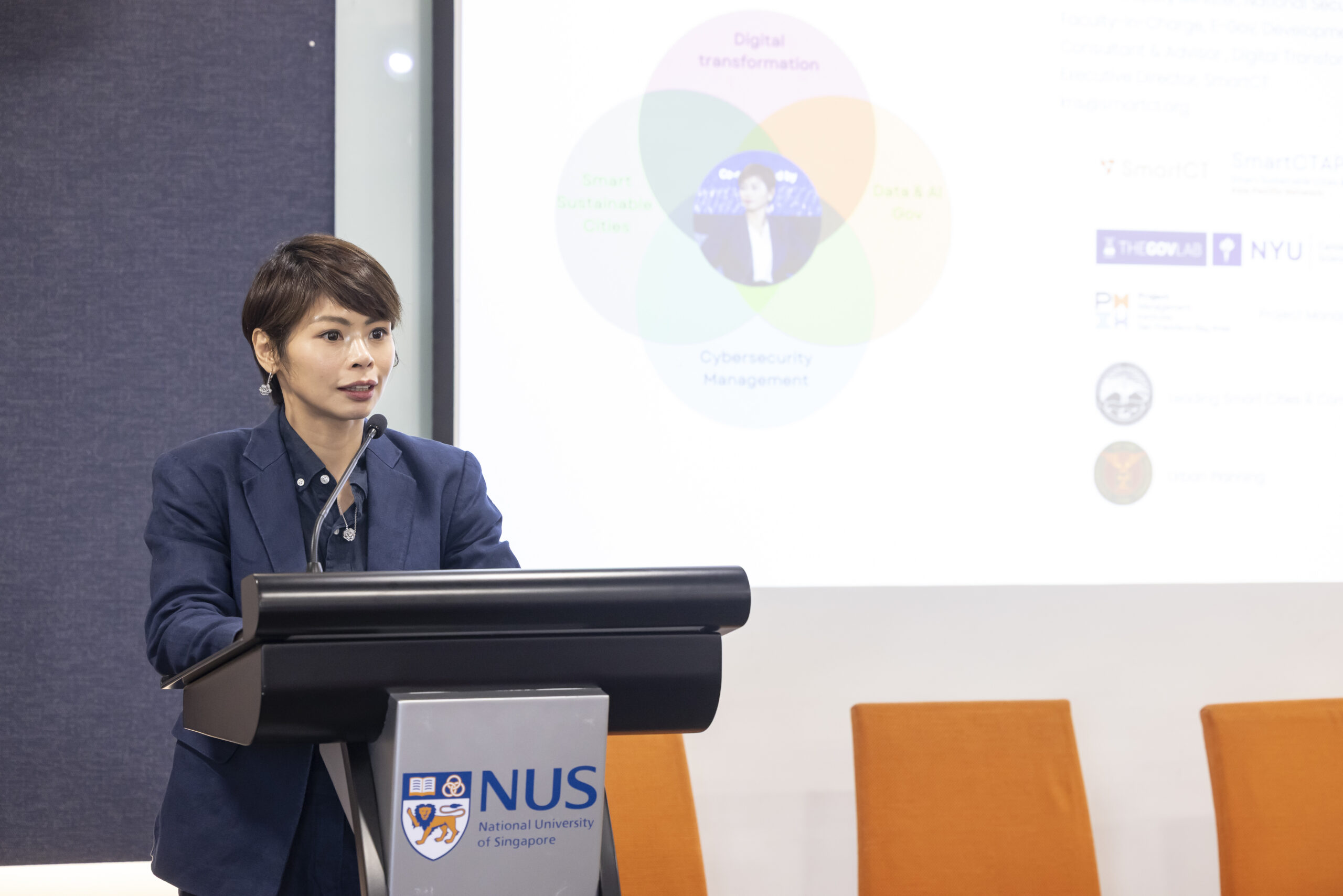
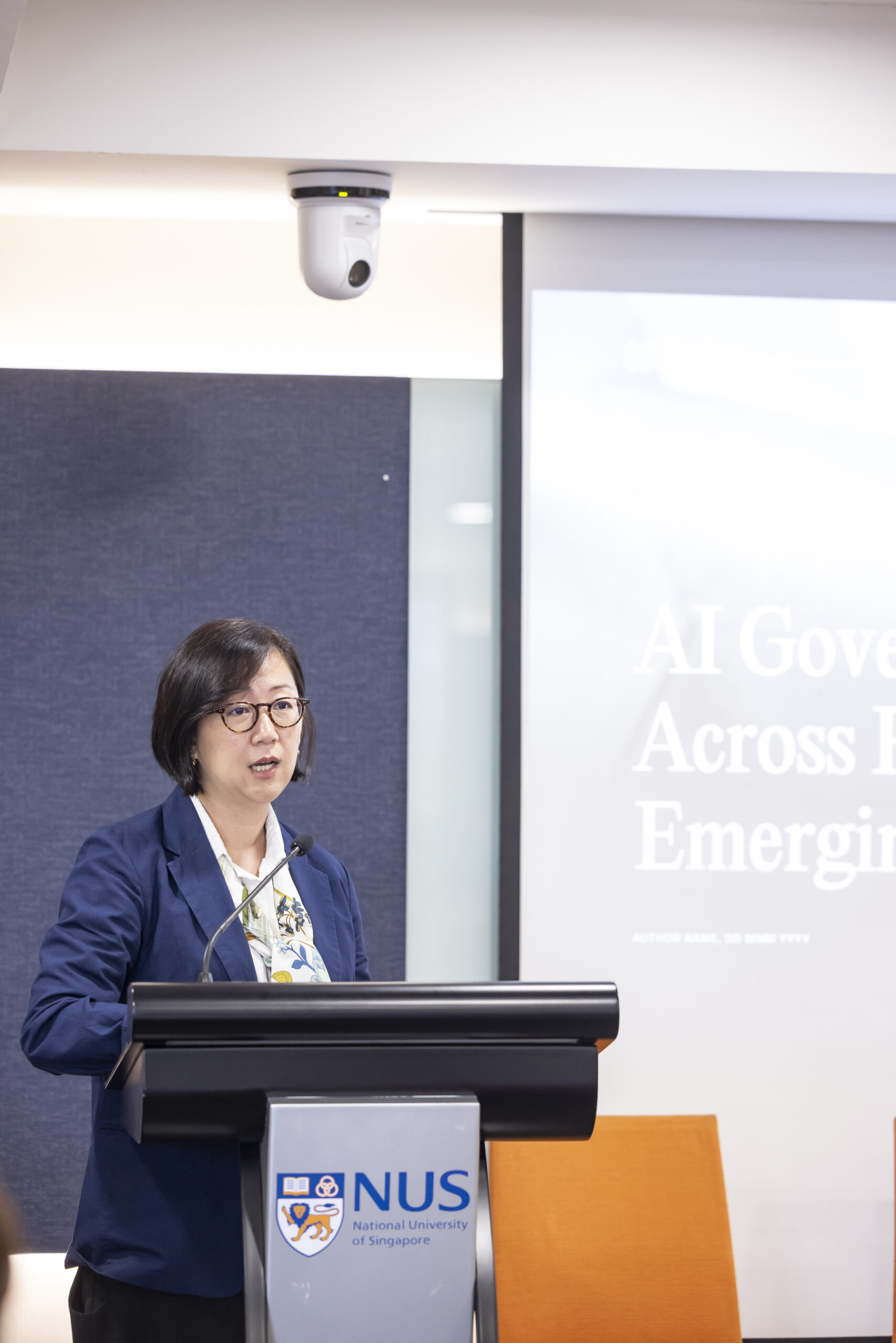
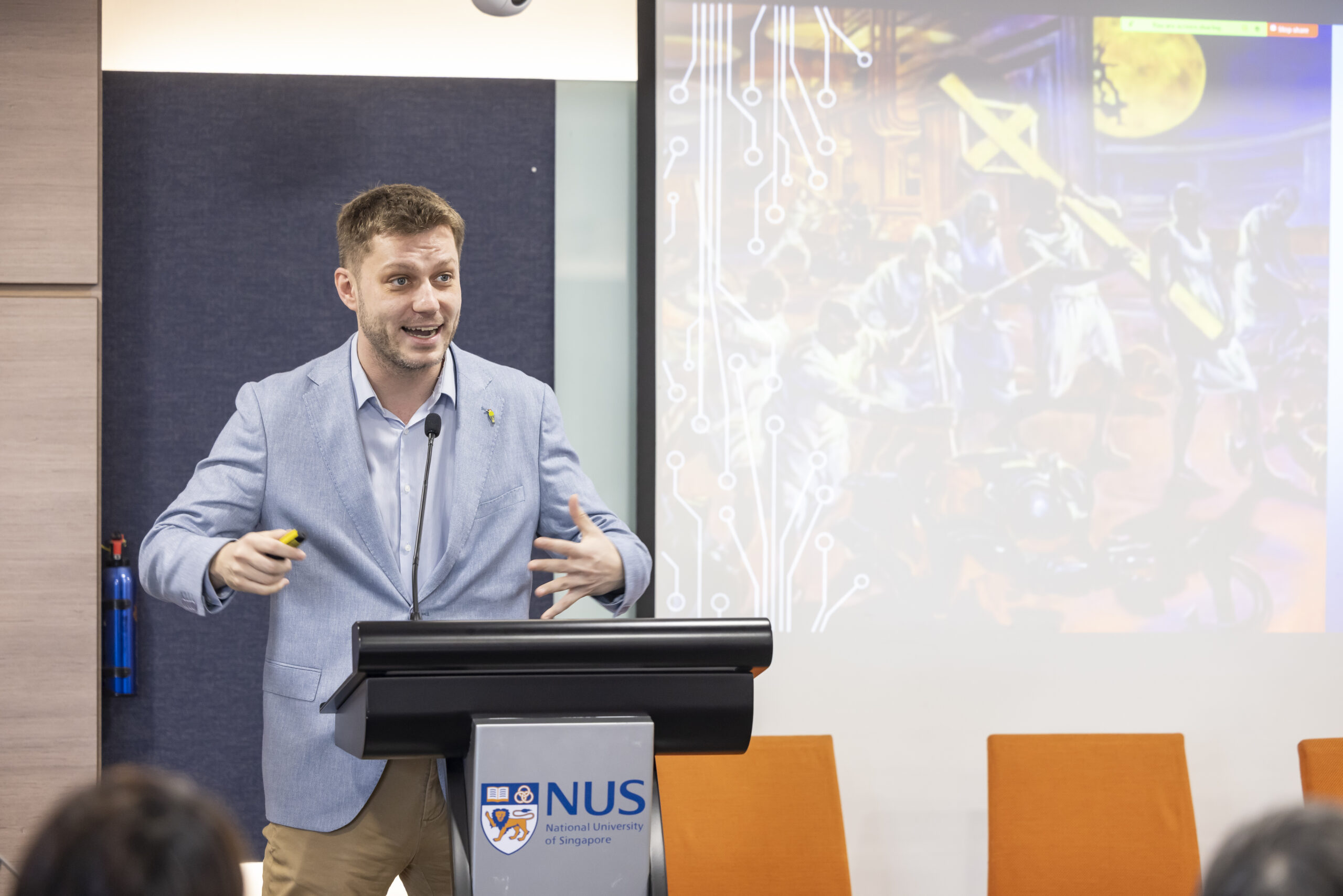
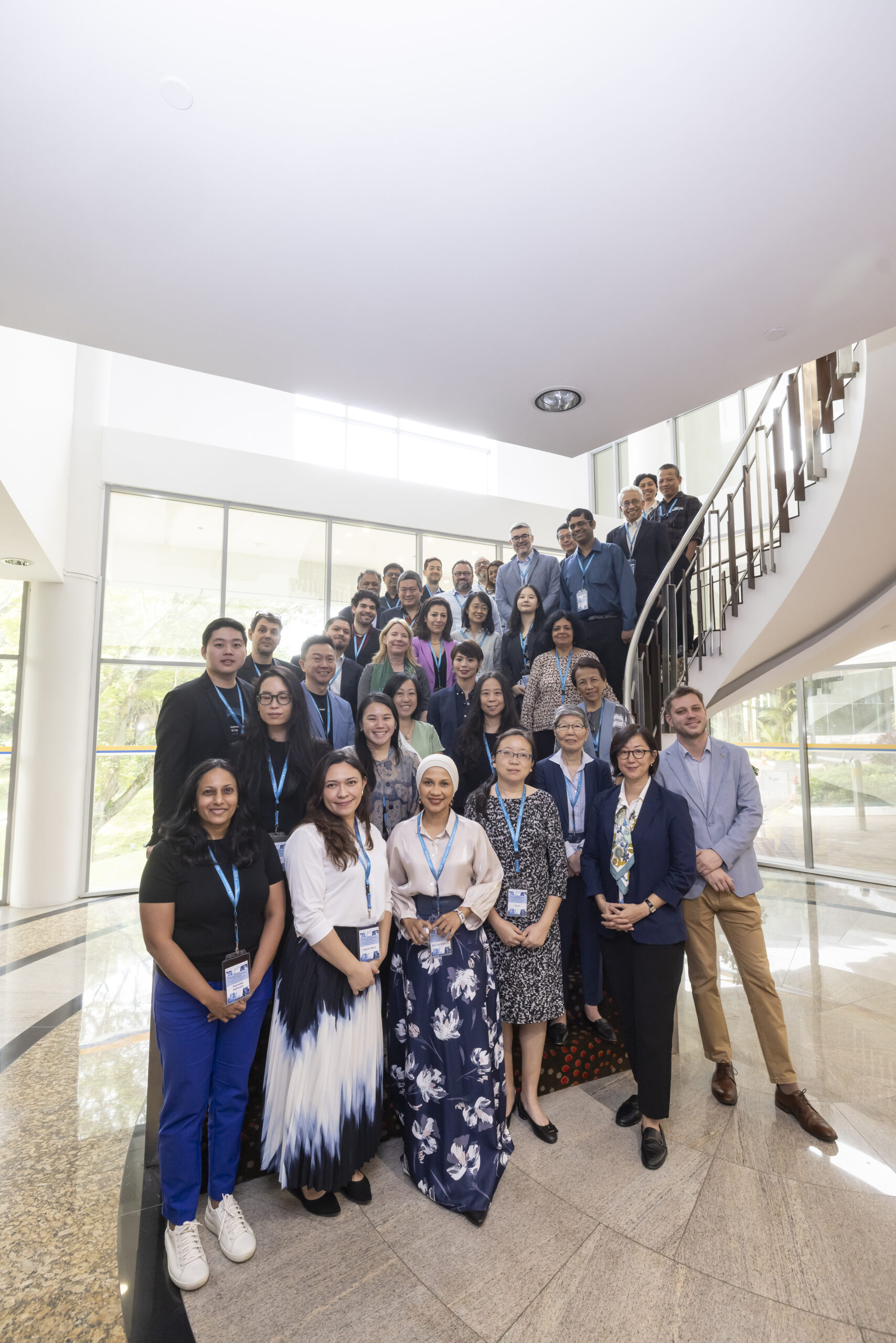
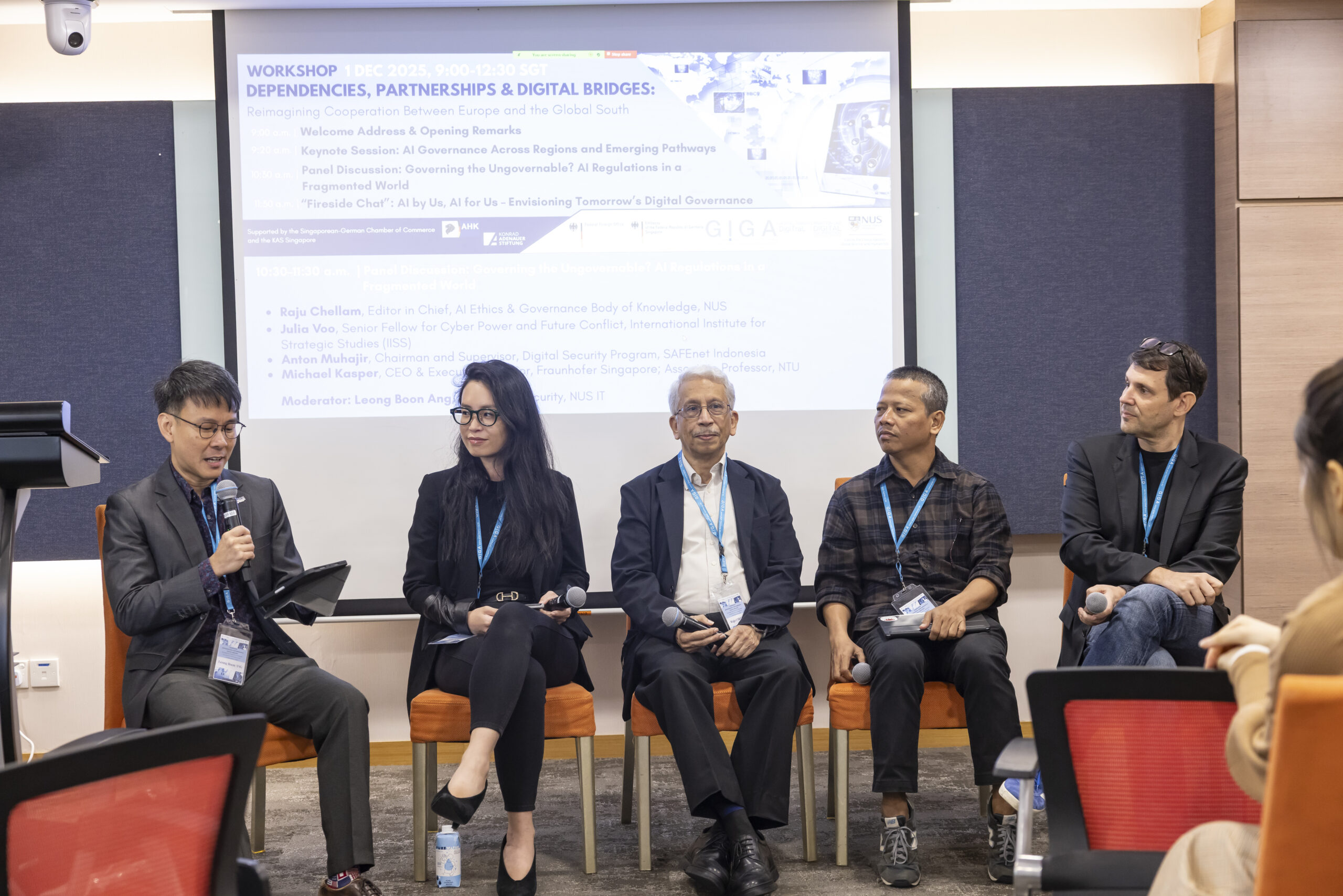
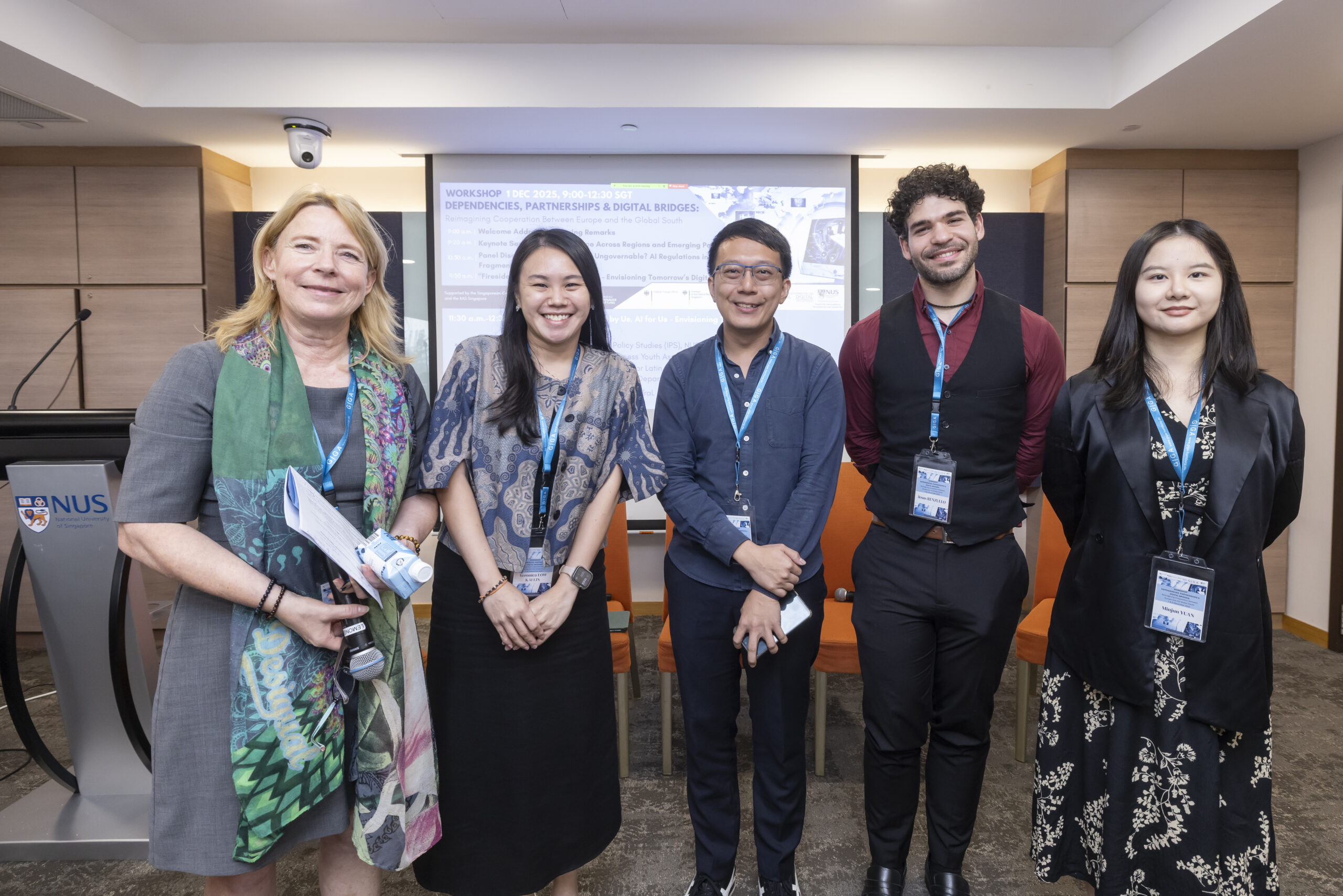
On 1–2 December 2025, GIGA’s Digital Transformation Lab (DigiTraL) — in cooperation with the German Federal Foreign Office, the German Embassy in Singapore, and the Centre for Computational Social Science and Humanities (CSSH) at the National University of Singapore, and with additional support from Konrad Adenauer Stiftung Singapore and the Singaporean-German Chamber of Commerce — hosted the international workshop “Dependencies, Partnerships & Digital Bridges: Reimagining Cooperation between Europe and the Global South.”
As digital transformation accelerates globally, the intersection of cyber resilience and AI governance presents both unprecedented opportunities and systemic risks. Our workshop facilitated mutual dialogue on how Germany/ Europe, Asia, and Global South partners can foster trustworthy digital bridges that address critical infrastructure vulnerabilities, investment asymmetries, and governance frameworks that shape our shared digital future.
Hosted on the NUS campus, with outstanding support from CSSH, the event brought together 44 participants from 13 countries — including Australia, Belgium, Brunei, Germany, Indonesia, Japan, Malaysia, Maldives, Philippines, Singapore, Thailand, and Venezuela — representing government, diplomacy, academia, the private sector, and civil society.
Public Hybrid Workshop Sessions: Opening, Welcome & High-Level Dialogue
The workshop opened with remarks by Thomas Motak, Deputy Head of Mission of the German Embassy in Singapore, who underled that trust, security and digital bridges are essential pillars of Germany’s international strategy. He highlighted that global challenges —from geopolitical instability, supply-chain fragility, to technological dependence and contested information spaces—demand new forms of partnership, diplomacy, and cooperation.
Professor Atreyi Kankanhalli welcomed everyone online and on-site on behalf of CSSH, expressing the Centre’s interest in supporting interdisciplinary initiatives with policy implications, such as the current workshop. She gave a brief overview of CSSH, its motivations, objectives and research themes. She also described examples of CSSH projects and activities that cover topics in AI governance and policy impacts. She concluded her talk by thanking all organizers and volunteers involved in the workshop.
Dr. Iris Wieczorek welcomed everyone on behalf of GIGA, emphasizing that holding the workshop in Singapore reflects the commitment to deepening dialogue in the region and creating new opportunities for Germany’s cooperation with global partners. She noted that rapid digital transformation requires fresh thinking, invoking the Singaporean saying “Last time can, now cannot already” – a reminder that what worked before, no longer works today. She encouraged the participants to rethink established cooperation models and to explore how meaningful alliances in cyber resilience and AI governance can be built together for our shared digital future.
Why Having this Workshop? As digital transformation accelerates, the intersection of cyber resilience and AI governance brings new opportunities and systemic risks. This workshop aims to foster genuine dialogue between Europe and partners in Asia and the Global South on how we can shape our shared digital future.
The high-level keynote session on “AI Governance Across Regions and Emerging Global Pathways” featured four distinguished speakers:
- Dr. Yuko Harayama (GPAI Tokyo) outlined GPAI’s growing global role, especially its work on AI safety and emerging AI agent frameworks.
- Kris Villanueva-Libunao (Philippines) stressed that national AI strategies fail without strong local capacity and city-level implementation.
- PeiChin Tay (Tony Blair Institute, Singapore) framed AI governance as a challenge of speed and interoperability; Singapore’s approach serves as a bridge between EU regulatory and US market-driven models.
- Dimitar Likov (Martens Centre, Brussels) reflected on the EU AI Act and the global need for a minimum safety baseline in a fragmented digital landscape.
Key Takeaways:
High-level frameworks — EU AI Act, ASEAN guidelines, GPAI principles — matter, but interoperability, local capacity, and practical tools are what truly enable trustworthy AI. Countries such as Singapore and Japan were highlighted as important bridges between the EU’s regulatory tradition, the US innovation model, and Southeast Asia’s hybrid governance systems. If global governance is a kind of “digital bridge,” the cables are the shared principles and high-level frameworks (EU rules, GPAI norms, ASEAN roadmaps). The pillars and roadbed are the practical mechanisms—sandboxes, open tools, local capacity building, student networks, and city-level pilots—that make these principles livable and enforceable in everyday life
Public Panel Debates: Rethinking Digital Governance
Two public panels expanded the discussion.
The first panel, “Governing the Ungovernable? AI Regulations in a Fragmented World,” explored how countries with vastly different regulatory capacities can craft meaningful AI governance. Speakers emphasized three priorities: securing basic digital infrastructure, strengthening public education on AI risks, and ensuring that trustworthy information and governance resources are available in local languages. The discussion also highlighted the coordinating role governments must play in balancing innovation and protection.
The second panel was a highly engaging fireside chat, “AI by Us, AI for Us – Envisioning Tomorrow’s Digital Governance,” which asked whether the biggest risk lies not in AI misuse but in outdated imagination and obsolete cooperation models. The session brought in four youth panelists from Asia and Europe, whose perspectives underscored the need for participatory, intergenerational, and community-anchored digital governance. Their contributions added urgency to the call for new cooperation models that move beyond top-down regulation and include young people as co-designers of future digital ecosystems.
Closed-Door Expert Sessions: Exploring Futures & Testing Systems
The workshop continued with closed-door sessions where participants engaged in strategic foresight and scenario-building exercises, exploring future pathways for cooperation. Findings from these sessions will feed into actionable policy recommendations for the German Federal Foreign Office.
The discussions covered:
- Cyber resilience futures and trust architectures
- AI governance priorities and regulatory approaches
- Investment gaps and partnership opportunities
- Barriers to technology transfer
- Regional alliances and data sovereignty tensions
The final closed-door session featured a digital crisis simulation — an interactive war-gaming exercise in which participants responded to a multi-country cyber incident impacting critical infrastructure across multiple regions.
We thank all participants for their remarkable engagement, wonderful support, and excellent insightful contributions, and above all for connecting with one another – an essential foundation for a shared digital future!